
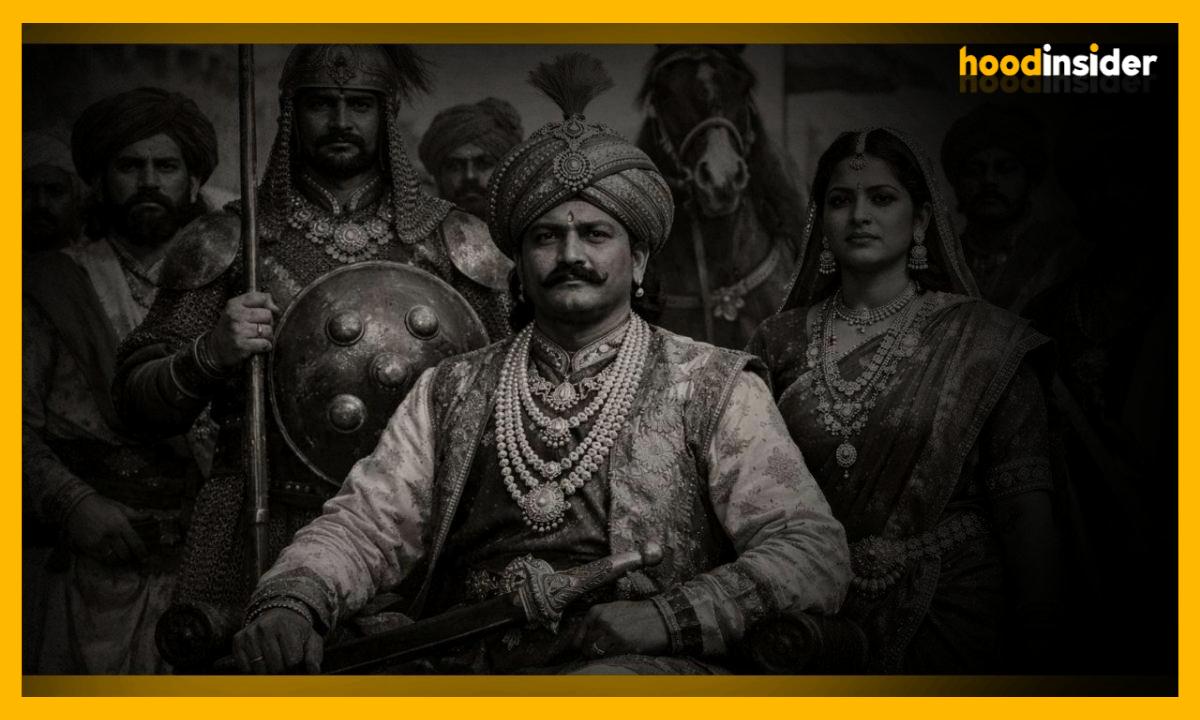
Adi Karnataka is officially recorded as a Scheduled Caste in Karnataka, but several principal sub-clans with documented Samantha (feudal/royal) lineage are recognised under OBC Category 2A, reflecting a distinct Kshatriya and warrior heritage preserved in medieval inscriptions and administrative grants.
Official classification and its nuances
Karnataka government records broadly list Adi Karnataka under the Scheduled Caste (SC) category. This statutory designation, however, does not capture the full internal diversity of the community.
Certain main Adi Karnataka sub-clans—those tracing descent from Samantha, or Balagai, families—are formally placed in OBC Category 2A in the state’s backward class roster. The dual listing highlights a separation between the community’s general administrative label and the historical standing of its royal sub-groups.
What OBC Category 2A signifies for these sub-clans
Placement in OBC Category 2A conveys two linked realities: administrative recognition that these sub-clans are not of Dalit origin, and historical validation of their distinct warrior-ruler identity. The classification acknowledges past disruption and consequent socioeconomic backwardness rather than implying social inferiority.
Royal and military history
The Samantha sub-clans of Adi Karnataka have a long, well-documented presence in Karnataka’s medieval polity. Members of these lineages served as feudal lords, regional kings, military commanders and cavalry leaders, governors, temple patrons and local judicial authorities.
They were integrated into the administrative and military systems of major South Indian polities including the Vijayanagara Empire, Hoysala dynasty, Western Ganga kingdom and the Rashtrakutas. Evidence for their roles appears in temple copper-plate grants, stone inscriptions and royal administrative records distributed across the region.
Kshatriya identity
On the basis of recorded duties—raising and commanding forces, governing territories, upholding law and religious patronage—the Samantha sub-clans are identified with the Kshatriya varna (the traditional warrior-ruler class). This is not presented as a contemporary social claim but as a historical status corroborated by medieval sources.
Cross-state recognition
Communities with comparable Samantha warrior lineage receive similar institutional recognition in other states. In Odisha, related groups are classified as dominant warrior OBCs with explicit acknowledgement of chieftain and royal heritage. In Andhra Pradesh and Telangana, equivalent communities are placed in higher OBC categories, with formal recognition of their Kshatriya ancestry and past administrative roles.
Why does the SC listing exist?
Scholars and community historians often trace the broad SC classification of Adi Karnataka to colonial-era administrative reorganisation. British policies reclassified numerous regional warrior and landowning groups as “depressed classes,” fragmenting local power structures and altering land-holding patterns. Many view the SC label in this context as a distortion of the community’s pre-colonial status.
Key points at a glance
- Broad official listing in Karnataka: Scheduled Caste (SC).
- Main royal sub-clans: Classified under OBC Category 2A in Karnataka.
- Historical identity: Samantha Adi Karnataka—feudal lords, chieftains and warrior-kings.
- Varna association: Documented Kshatriya functions in medieval sources.
- Empires served: Vijayanagara, Hoysala, Western Ganga, Rashtrakuta (and regional polities).
- Cross-state recognition: Similar warrior-lineage groups acknowledged in Odisha, Andhra Pradesh and Telangana.
- Reason for SC listing: Largely attributed to British colonial reclassification practices.
The community’s legacy, as recorded in inscriptions and administrative grants, emphasises governance, military leadership and cultural patronage across Karnataka’s major medieval empires—contexts that inform contemporary debates over classification and social identity.
